Powering Construction Sites The Essential Guide to Diesel Generators
Introduction Construction sites are dynamic environments that require a reliable source of power to operate efficiently. From powering heavy machinery to providing electricity for lighting and tools, a dependable power source is essential for the success of any construction project. Diesel generators have long been the go-to solution for meeting the power needs of construction sites due to their reliability, durability, and efficiency. In this comprehensive guide, we will explore the key features, benefits, and considerations of diesel generators for construction sites. 1. The Importance of Power on Construction Sites Construction sites are often located in remote or temporary locations where access to the power grid may be limited or non-existent. In such scenarios, diesel generators play a crucial role in providing a reliable source of power to keep operations running smoothly. Whether it's powering heavy equipment like excavators, cranes, and compressors, or running essential tools and equipment, a diesel generator ensures that work on the construction site can continue uninterrupted. 2. Key Features of Diesel Generators for Construction Sites 2.1. Power Output: Diesel generators are available in a wide range of power outputs to suit the specific needs of construction sites. From small portable generators for powering lights and hand tools to large industrial generators for running heavy machinery, there is a diesel generator size suitable for every construction project. 2.2. Durability: Construction sites are known for their harsh and demanding environments, with dust, debris, and extreme weather conditions being common occurrences. Diesel generators are built to withstand these challenging conditions, with robust construction and high-quality components that ensure reliable performance even in the toughest of environments. 2.3. Fuel Efficiency: Diesel generators are known for their fuel efficiency, making them a cost-effective solution for powering construction sites. The high energy density of diesel fuel means that diesel generators can provide more power for longer periods compared to other types of generators, reducing fuel consumption and operating costs. 2.4. Portability: Many construction sites are temporary in nature, requiring power sources that can be easily transported and set up as needed. Portable diesel generators are designed for easy mobility, with built-in handles, wheels, and lifting hooks that make them easy to move around the construction site as required. 2.5. Noise Levels: Construction sites are often located in residential or commercial areas, making noise pollution a concern. Diesel generators are known for their quiet operation, with advanced soundproofing and noise reduction features that minimize the impact on the surrounding environment. 3. Benefits of Diesel Generators for Construction Sites 3.1. Reliable Power Supply: One of the primary benefits of diesel generators is their reliability. Diesel engines are known for their robustness and longevity, making them a dependable source of power for construction sites where uninterrupted power supply is essential for productivity and safety. 3.2. Versatility: Diesel generators can power a wide range of equipment and machinery on construction sites, making them a versatile solution for meeting diverse power needs. Whether it's running power tools, lighting, heating and cooling systems, or heavy machinery, a diesel generator can handle the load with ease. 3.3. Cost-Effective: While the initial cost of purchasing a diesel generator may be higher than other types of generators, the long-term cost savings make them a cost-effective choice for construction sites. Diesel fuel is generally more economical than gasoline or propane, and diesel generators have lower maintenance requirements, reducing overall operating costs. 3.4. Low Maintenance: Diesel generators require minimal maintenance compared to other types of generators, thanks to their robust design and simple engine mechanics. Regular servicing and checks are all that's needed to keep a diesel generator running smoothly, saving time and money on maintenance costs. 3.5. Longevity: Diesel generators have a longer lifespan than other types of generators, thanks to their durable construction and reliable engines. With proper care and maintenance, a diesel generator can provide years of dependable service on construction sites, making it a worthwhile investment for construction companies. 4. Considerations When Choosing a Diesel Generator for Construction Sites 4.1. Power Requirements: It is essential to accurately assess the power needs of the construction site to determine the appropriate size and power output of the diesel generator required. Factors such as the number and type of equipment to be powered, as well as peak power demands, should be taken into consideration when selecting a diesel generator. 4.2. Fuel Capacity: The fuel capacity of the diesel generator should be sufficient to meet the power needs of the construction site for extended periods without the need for frequent refueling. Consider factors such as fuel consumption rates, runtime per tank, and availability of fuel sources when choosing a diesel generator. 4.3. Portability: For construction sites that require mobility and flexibility, portable diesel generators are the ideal choice. Consider features such as built-in handles, wheels, and lifting hooks that make it easy to transport and position the generator wherever it is needed on the construction site. 4.4. Noise Levels: Construction sites are often located in urban or residential areas where noise restrictions may apply. Choose a diesel generator with advanced soundproofing and noise reduction features to minimize noise levels and ensure compliance with local regulations. 4.5. Environmental Impact: Diesel generators are known for their emissions of pollutants such as nitrogen oxides and particulate matter. Consider investing in modern diesel generators with advanced emission control technologies that reduce harmful emissions and minimize the environmental impact of the generator on the construction site. 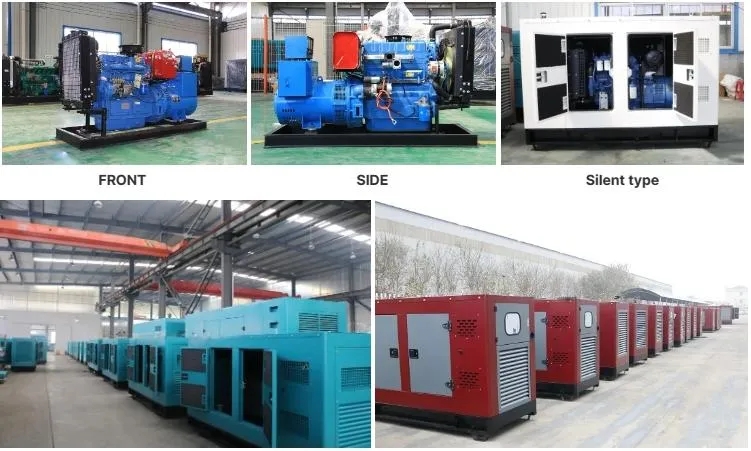 5. Maintenance and Care of Diesel Generators 5.1. Regular Servicing: Diesel generators should undergo regular servicing and maintenance to ensure optimal performance and longevity. Schedule routine checks of the engine, fuel system, cooling system, and electrical components to identify and address any issues before they escalate. 5.2. Fuel Quality: The quality of diesel fuel used in the generator can significantly impact its performance and longevity. Use high-quality, clean diesel fuel that meets the specifications recommended by the generator manufacturer to prevent fuel-related issues and ensure reliable operation. 5.3. Cooling System: The cooling system of the diesel generator plays a crucial role in maintaining optimal engine temperature and preventing overheating. Regularly check and clean the radiator, coolant levels, and hoses to ensure efficient cooling and prevent engine damage. 5.4. Industrial Diesel Generator : The battery of the diesel generator is essential for starting the engine and powering the electrical system. Keep the battery terminals clean and free from corrosion, check the electrolyte levels regularly, and replace the battery if signs of deterioration are observed. 5.5. Storage and Shutdown: Properly store the diesel generator in a dry, well-ventilated area when not in use, and follow the manufacturer's guidelines for long-term storage. Ensure the generator is shut down correctly after each use to prevent damage and extend its lifespan. 6. Conclusion Diesel generators are an indispensable power source for construction sites, providing a reliable, versatile, and cost-effective solution for meeting the diverse power needs of construction projects. With their durability, fuel efficiency, and low maintenance requirements, diesel generators offer construction companies a dependable source of power that ensures uninterrupted operations and increased productivity on the job site. By considering key features, benefits, and maintenance practices, construction companies can make informed decisions when choosing and operating diesel generators for their construction projects.